Residential Electrical Safety Standards & Home Wiring Guide
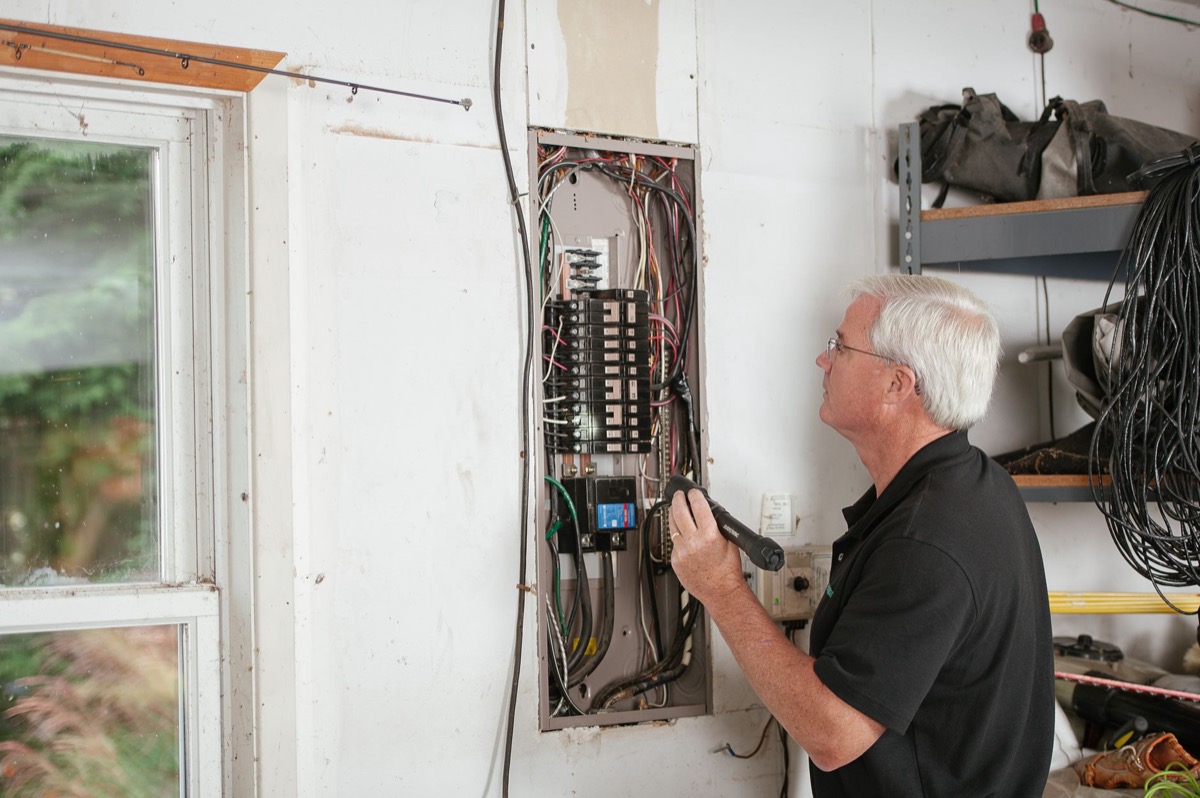
Recent coverage, such as an article in the Kitsap Sun highlighting Bow Tie Solutions' emphasis on critical residential electrical safety standards for Pea Ridge homeowners, underscores a vital truth: proactive electrical safety is paramount for every home. Whether you're a DIY enthusiast, a homeowner, or a trade professional, understanding and adhering to robust electrical safety standards is not just about compliance—it's about protecting lives and property.
This guide serves as a comprehensive resource, offering an electrical inspection checklist to help you identify potential hazards, understand fundamental home wiring principles, and know precisely when to enlist the expertise of a licensed electrician. By familiarizing yourself with these guidelines, you can significantly enhance the safety and reliability of your home's electrical system.
Understanding Residential Electrical Safety Standards
The foundation of electrical safety in residential settings is built upon established codes and standards designed to minimize risks like electrical fires, shocks, and system failures. In the United States, the primary authority is the National Electrical Code (NEC, NFPA 70), published by the National Fire Protection Association (NFPA). The NEC sets the minimum requirements for safe electrical installation and inspection, and NFPA 70 is widely adopted by states and municipalities as enforceable electrical law. Understanding its general principles, even if you're not an electrician, helps you appreciate why certain practices are crucial. For more on specific code differences across editions, see our page on NEC Code Edition Differences.
Key areas covered by these standards include:
- Proper Wire Sizing: Ensuring conductors are adequately sized for the current they carry to prevent overheating. Our free wire size calculator can help you determine appropriate wire sizes for various applications.
- Overcurrent Protection: Using circuit breakers and fuses to automatically disconnect power when current exceeds safe limits. Learn more about this on our Breaker and Load Calculation Basics page.
- Grounding and Bonding: Providing a safe path for fault currents to minimize shock hazards. Delve deeper with our Grounding and Bonding Basics guide.
- Protective Devices: Installation of Ground-Fault Circuit Interrupters (GFCIs) in wet locations and Arc-Fault Circuit Interrupters (AFCIs) for arc-fault protection.
- Safe Installation Practices: Adhering to standards for installing outlets, switches, light fixtures, and appliances.
Your Home Electrical Inspection Checklist: What to Look For
A proactive visual inspection of your home's electrical system can help identify potential issues before they become serious hazards. While this isn't a substitute for a professional inspection, it's a valuable starting point:
- Outlets and Switches: Check for warm outlets or switch plates, loose outlets, cracked or broken covers, and any signs of scorching or discoloration around them. Ensure GFCIs are installed in bathrooms, kitchens, laundry rooms, garages, and outdoors, and test them monthly using their built-in 'Test' button.
- Cords and Plugs: Inspect appliance cords for fraying, cracks, or damage. Avoid running cords under rugs or heavy furniture, which can cause damage and overheating. Ensure plugs fit snugly into outlets.
- Light Fixtures and Bulbs: Verify that light bulbs match the recommended wattage for the fixture. Over-wattage bulbs can cause overheating. Look for flickering lights, which could indicate loose wiring or an overloaded circuit.
- Circuit Breaker Panel (Electrical Panel): Listen for buzzing or humming sounds coming from the panel. Look for any signs of rust or water stains. Ensure the panel cover is securely in place and that the area around it is clear and unobstructed. Never open the electrical panel yourself unless you are qualified and have safely de-energized the system.
- Smoke and Carbon Monoxide Detectors: Test these devices monthly and replace batteries annually, or as recommended by the manufacturer.
- Wiring Visibility: Note any exposed or deteriorating wiring, especially in attics, basements, or crawl spaces. Be aware of signs of older wiring, such as knob-and-tube or fabric-covered wiring, which may indicate a need for upgrades. Consider the implications of Copper vs Aluminum Wire in older homes.
Common Electrical Hazards and Warning Signs
Recognizing early warning signs can prevent serious incidents. Be vigilant for the following:
- Frequent Tripping Breakers or Blown Fuses: This often indicates an overloaded circuit, potentially due to too many appliances drawing power or an underlying wiring issue.
- Flickering or Dimming Lights: Can signal loose connections, overloaded circuits, or issues with the incoming power supply.
- Sparks or Arcs: Any visible sparks from outlets or switches are a serious hazard and require immediate attention.
- Burning Smells: A distinctive burning odor, often described as 'fishy,' can indicate overheated wire insulation or components.
- Hot Outlets or Switches: Indicates excessive resistance or an overloaded circuit, posing a fire risk.
- Minor Shocks: Even a slight tingle when touching an appliance or outlet could signal a grounding issue or faulty wiring.
When to Call a Licensed Electrician
While homeowners can perform basic visual checks, many electrical tasks and diagnostics require the expertise of a licensed professional. You should always call a licensed electrician if you encounter any of the significant warning signs listed above, or for any of the following:
- New Installations or Major Upgrades: Adding new circuits, installing EV chargers (see our EV Charger Wire Size Guide), or replacing an electrical panel.
- Repeated Electrical Issues: If you're consistently experiencing tripped breakers, flickering lights, or unexplained power outages.
- Home Sale or Purchase: A professional electrical inspection is often recommended or required to identify potential issues before buying or selling a property.
- Rewiring Projects: Especially in older homes where wiring may not meet current code.
- Any Electrical Work Beyond Basic Replacements: If you're unsure, it's always safer to consult a professional. Attempting complex electrical work without proper training and tools can be extremely dangerous.
Licensed electricians possess the knowledge of the latest NEC standards, proper tools, and insurance to safely and effectively address electrical issues, ensuring your home's system is safe and up to code.
Copper THHN ampacity at 75°C by AWG (NEC 310.16)
Key Takeaways
- Adhering to residential electrical safety standards, like the NEC, is crucial for preventing hazards.
- Regular visual checks of outlets, cords, and light fixtures can help identify potential issues early.
- Warning signs like frequently tripping breakers, burning smells, or hot outlets demand immediate attention.
- GFCI and AFCI devices are essential protective components in modern electrical systems.
- Always consult a licensed electrician for significant electrical work, diagnostics, or persistent problems to ensure safety and code compliance.
Try It Yourself — Free
For any projects requiring precise calculations, remember to utilize our free wire size calculator to ensure your wiring meets safety and performance standards. If you're working on a generator project, you might also find our guide on Generator and Transfer Switch Sizing helpful.
Related Resources
- Breaker and Load Calculation Basics
- Copper vs Aluminum Wire
- Ev Charger Wire Size Calculator
- Ev Charger Wire Size Guide
- Complete Guide
More From Our Network
- Duct Size Calculator — same niche
- cyberfrad — our network
Sources
- Kitsap Sun — Original report
- National Fire Protection Association (NFPA) — In the United States, the primary authority is the National Electrical Code (NEC), published by the National Fire Protection Association (NFPA).