Residential Electrical Safety: Preventing Wiring Fires
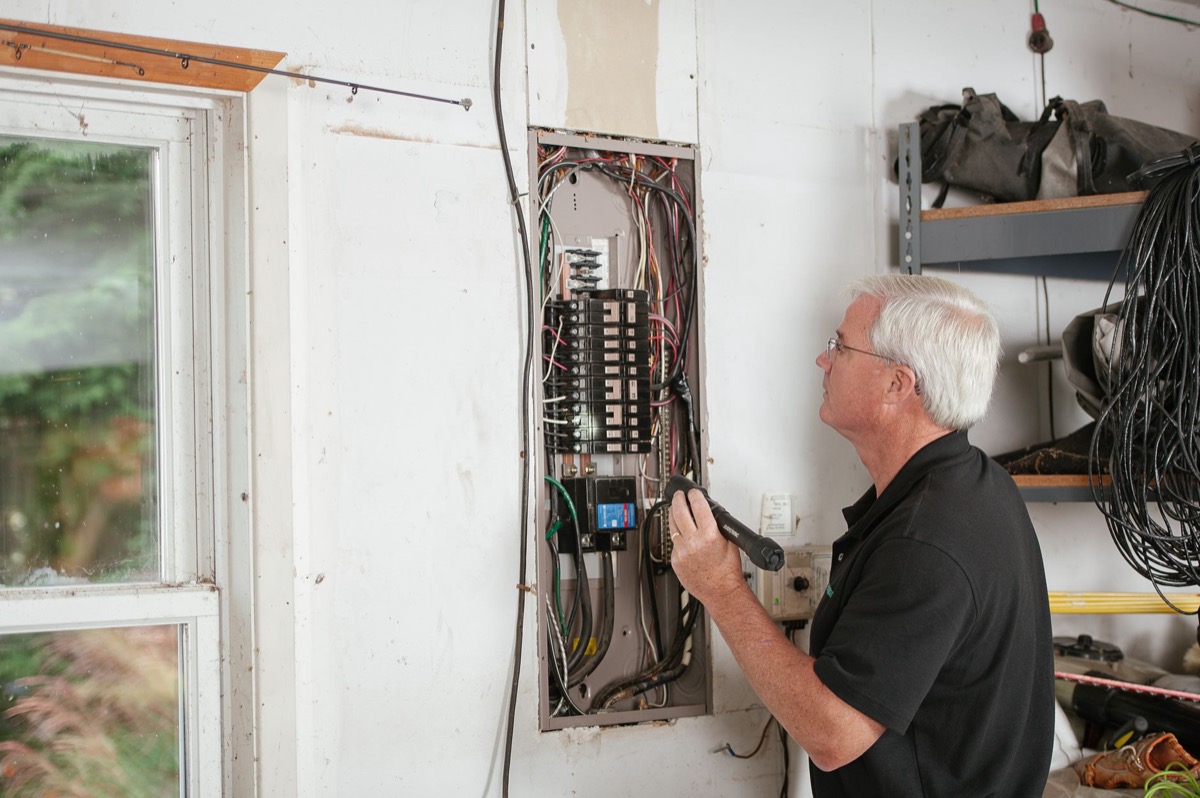
News reports of homes lost to electrical fires — such as a recent Cebu Daily News story about a blaze that gutted three houses, with residents reminded to check their wiring — are a worldwide reminder of how quickly a wiring fault can turn destructive. Wherever you live, the underlying lesson is the same: maintaining a safe electrical system protects your property and your family. According to the National Fire Protection Association (NFPA), electrical distribution and lighting equipment is consistently among the leading causes of home structure fires (after cooking), and electrical failures or malfunctions are a major contributing factor in home fire deaths and property loss (NFPA: Home Electrical Fires). Most of these incidents stem from preventable issues.
Understanding the risks and knowing how to conduct a basic, safe electrical wiring inspection can empower homeowners to protect their property and loved ones. This guide will walk you through common electrical hazards, provide actionable steps for identifying potential problems, and clarify when professional expertise is absolutely necessary.
Common Electrical Issues That Lead to Fires
While modern electrical systems are designed with safety in mind, several common issues can escalate into fire hazards if left unaddressed. Recognizing these can be the first step in prevention.
- Overloaded Circuits: This is a primary culprit. When too many appliances or devices draw power from a single circuit, the demand can exceed the circuit's capacity, causing wires to overheat and potentially ignite. This is often an issue when the wire size isn't appropriate for the load it carries.
- Frayed or Damaged Wiring: Wires can become damaged over time due to age, pests, or improper installation. Exposed wires or compromised insulation can lead to short circuits, arcing, and overheating.
- Loose Connections: Electrical connections that are not properly tightened can create resistance, generating heat that can melt insulation and start a fire. This can occur at outlets, switches, light fixtures, or within the electrical panel.
- Outdated Electrical Systems: Older homes, especially those with knob-and-tube wiring or early aluminum wiring (prior to improved alloys), may not be equipped to handle the demands of modern electrical consumption. These systems can deteriorate, lack proper grounding, or pose inherent fire risks.
- Faulty Outlets and Switches: Worn-out or damaged outlets and switches can malfunction, leading to arcing, sparking, and localized overheating.
- Improper DIY Wiring: While some electrical tasks can be handled by a knowledgeable homeowner, incorrect wiring installations, using the wrong gauge wire (see our How to Size Electrical Wire guide), or failing to follow electrical codes can create serious hazards.
- Arc Faults: An arc fault is an unintended electrical discharge that can occur when wiring is damaged or improperly installed. Arc Fault Circuit Interrupters (AFCIs) are designed to detect these hazardous conditions and shut off power before a fire can start.
Safely Inspecting Your Home's Electrical System
A visual and auditory electrical wiring inspection can help you identify potential problems early. Always prioritize safety and know your limits.
- Visual Checks: Walk through your home and observe outlets, switches, and light fixtures. Look for:
- Discolored or scorched plates.
- Burn marks or smoke smells near electrical components.
- Loose-fitting plugs that easily fall out of outlets.
- Damaged or exposed wires on appliances or extension cords.
- Flickering lights (could indicate loose connections or an overloaded circuit).
- Touch and Listen: Gently touch outlet and switch plates. They should not be warm to the touch. Listen for buzzing, cracking, or sizzling sounds coming from outlets, switches, or your electrical panel, which are red flags.
- Breaker Panel Awareness: Know where your main electrical panel is located. While you should not open the panel unless you are a qualified professional, pay attention to frequently tripping circuit breakers. This is a sign of an overloaded circuit or a fault. If a breaker trips repeatedly after resetting, consult an electrician.
- Test GFCI and AFCI Outlets/Breakers: These safety devices are designed to protect against electric shock and fire respectively. Test them monthly according to manufacturer instructions by pressing the "Test" button. The "Reset" button should pop out, interrupting power to the outlet. Press "Reset" again to restore power. If it doesn't work, replace it.
- Extension Cord Use: Avoid overloading extension cords or running them under rugs, which can damage insulation and create fire hazards. Only use extension cords for temporary power needs, never as a permanent wiring solution.
When to Call a Licensed Electrician
While basic inspections can identify obvious issues, many electrical problems require the expertise of a licensed professional. Never attempt complex electrical repairs yourself unless you are qualified; it's a matter of safety and compliance with electrical codes.
- Frequent Breaker Trips: If circuit breakers trip often, especially when specific appliances are used, it suggests an overloaded circuit or a fault that needs professional diagnosis. Our Breaker and Load Calculation Basics page provides more insight.
- Warm Outlets, Switches, or Cords: Any electrical component that feels warm or hot to the touch indicates excessive resistance and a potential fire hazard. Turn off power to the area and call an electrician immediately.
- Burning Smells: A distinct burning odor emanating from outlets, switches, or the electrical panel is a serious warning sign.
- Sparks or Arcing: Seeing sparks when plugging in or unplugging devices, or hearing buzzing and crackling from outlets or the panel, points to dangerous electrical faults.
- Outdated Wiring: If your home has old wiring (like knob-and-tube or unapproved aluminum wiring), it's advisable to have a licensed electrician perform a comprehensive electrical inspection and recommend necessary upgrades. Learn more about Copper vs Aluminum Wire considerations.
- New Appliance Installation or Home Additions: Whenever you add major appliances, undertake renovations, or build an addition, ensure a professional assesses your electrical system's capacity and performs the installation according to local codes.
- Visible Damage to Wires or Components: Any exposed wiring, damaged outlets, or corroded electrical components warrant immediate professional attention.
- Code Compliance: Licensed electricians ensure all work meets the latest National Electrical Code (NEC) standards, which are crucial for safety and insurance purposes.
Copper THHN ampacity at 75°C by AWG (NEC 310.16)
Key Takeaways
- Regular visual and auditory checks of your home's electrical system can help detect early warning signs of hazards.
- Overloaded circuits, damaged wiring, and loose connections are common causes of electrical fires.
- Never attempt complex electrical repairs if you are not qualified; always prioritize safety.
- Frequent breaker trips, warm outlets, or burning smells are urgent indicators to call a licensed electrician.
- Ensuring your electrical system is up-to-date and code-compliant is essential for residential safety.
Try It Yourself — Free
For homeowners and professionals needing to calculate precise wire sizes for various applications, our free wire size calculator can help ensure you're using the correct gauge wire for your specific needs, preventing overheating and ensuring safe operation. Also, explore our guide on How to Size Electrical Wire for more in-depth information on safe wiring practices.
Related Resources
- Breaker and Load Calculation Basics
- Copper vs Aluminum Wire
- Ev Charger Wire Size Calculator
- Ev Charger Wire Size Guide
- Complete Guide
More From Our Network
- Duct Size Calculator — same niche
- cyberfrad — our network
Sources
- Cebu Daily News — Original report
- Cebu Daily News — Fire guts 3 Mandaue homes; residents reminded to check electrical wiring - Cebu Daily News
- National Fire Protection Association (NFPA) — Home Electrical Fires report: electrical distribution and lighting equipment is among the leading causes of home structure fires.
- Electrical Safety Foundation International (ESFI) — Information on common electrical hazards like overloaded circuits and frayed wiring.